Year
2024/2025
Category
3D // Animation
Project Duration
1 -2 weeks each
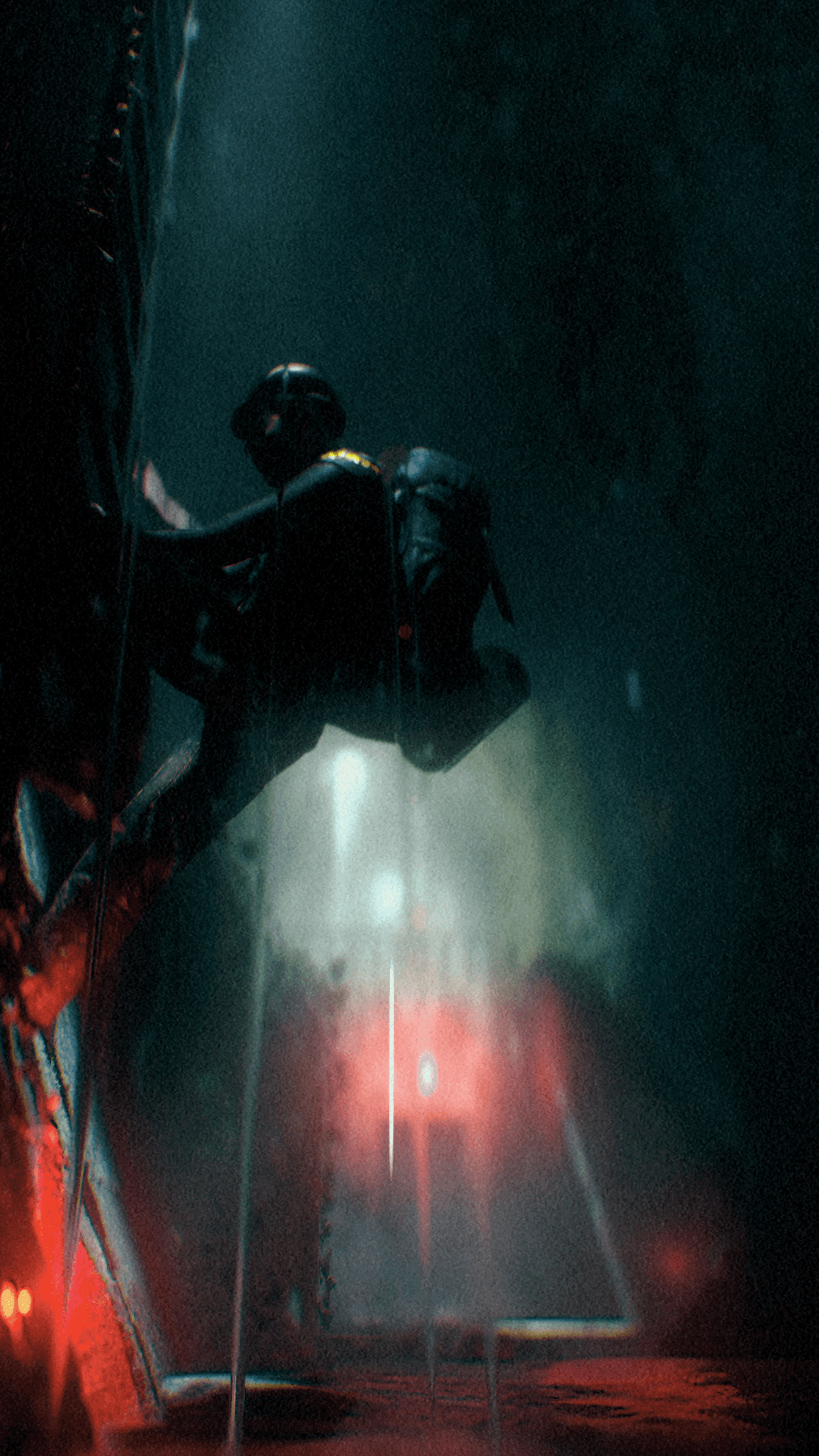
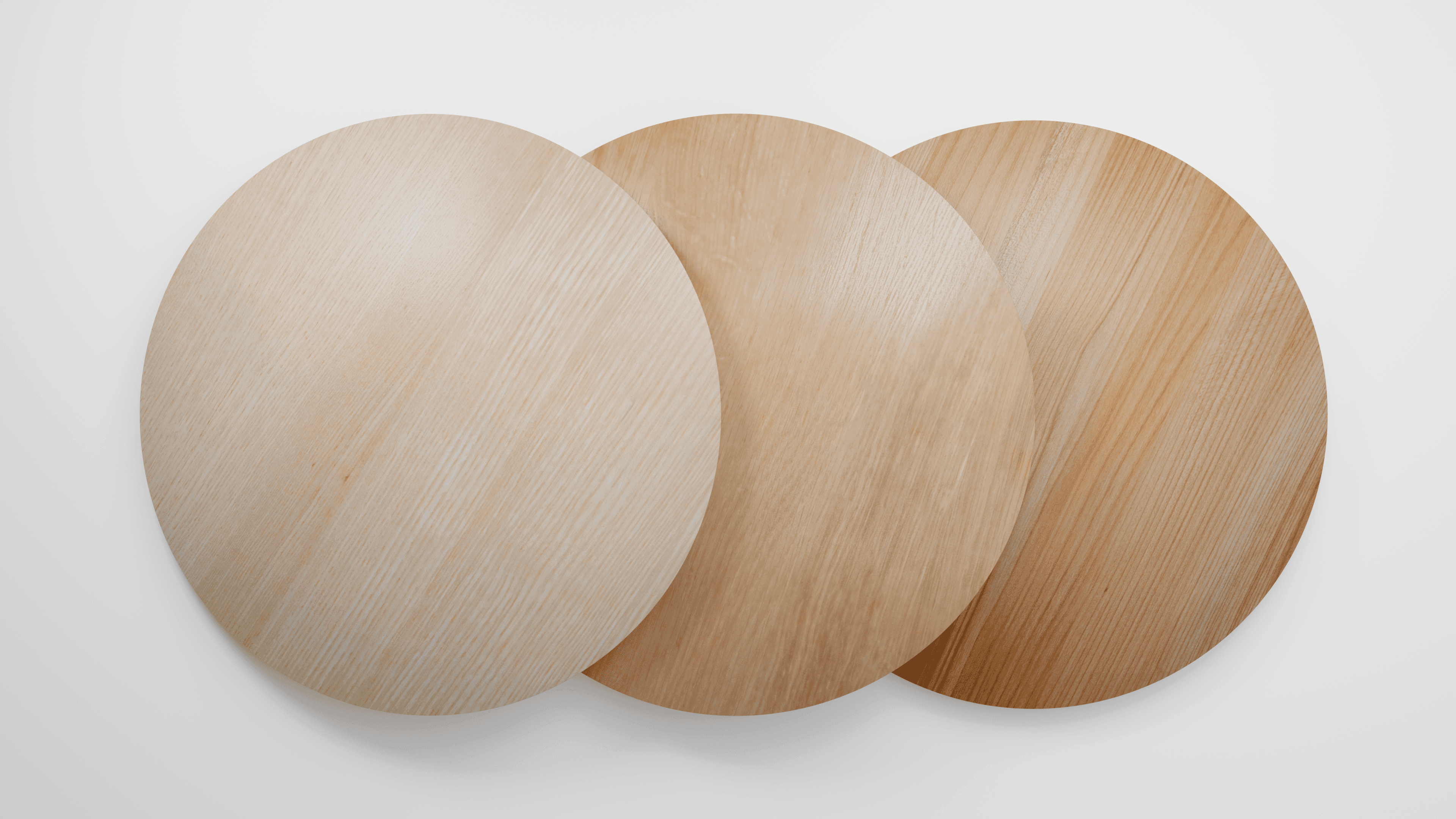
This collection emerged from exploring Unreal Engine 5's capabilities for real-time cinematic creation. I studied how environmental storytelling, lighting, and motion converge to create atmospheric moments that resonate emotionally. Each scene began with a concept—a feeling, a color palette, a lighting condition—then developed through experimentation with UE5's tools: Lumen for dynamic lighting, Nanite for detailed geometry, Niagara for particle systems, and sequencer for animation. The goal was to create self-contained visual moments that function independently while revealing a cohesive visual language.
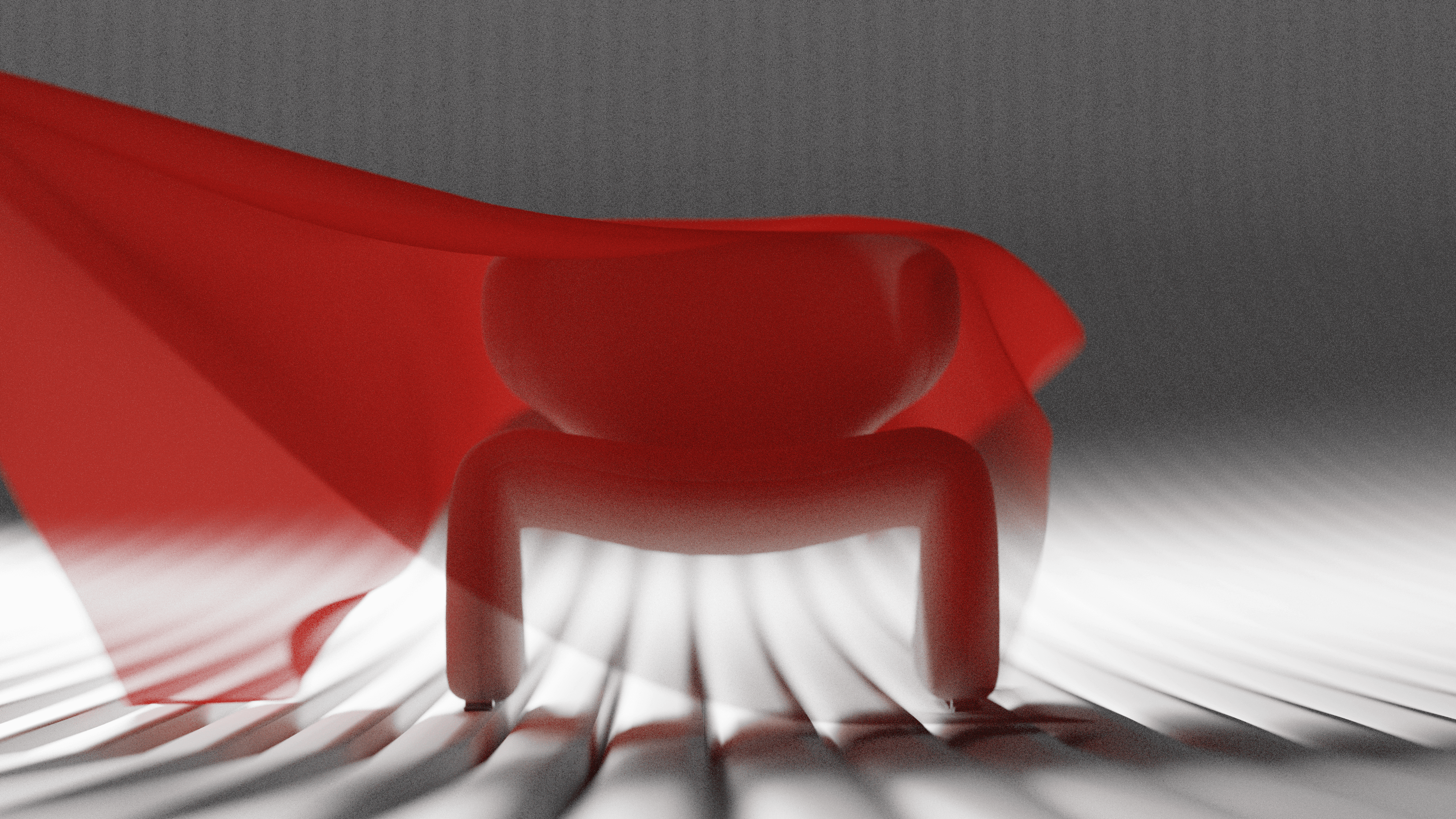
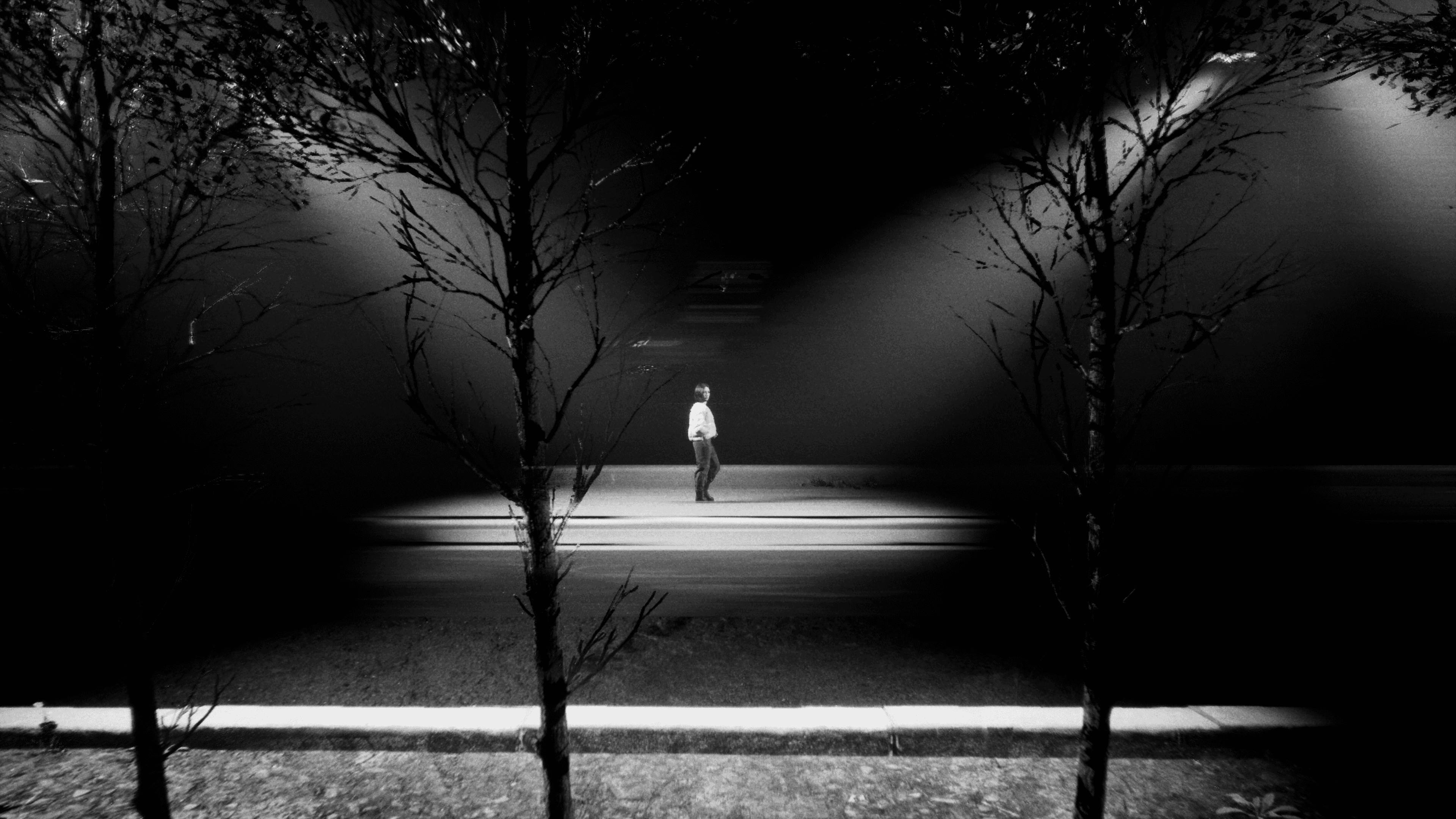
Visual language centered on atmosphere over narrative. I designed each scene to capture a specific mood—contemplative, dramatic, serene, tense—through composition, color, and movement. Environments were approached as stages: architecture, nature, and objects arranged to guide the eye and establish emotional tone. Camera movement was choreographed to reveal space gradually, letting viewers absorb detail and atmosphere. Lighting became the primary storytelling tool—time of day, color temperature, contrast—defining the character of each moment. The collection demonstrates range while maintaining aesthetic coherence.
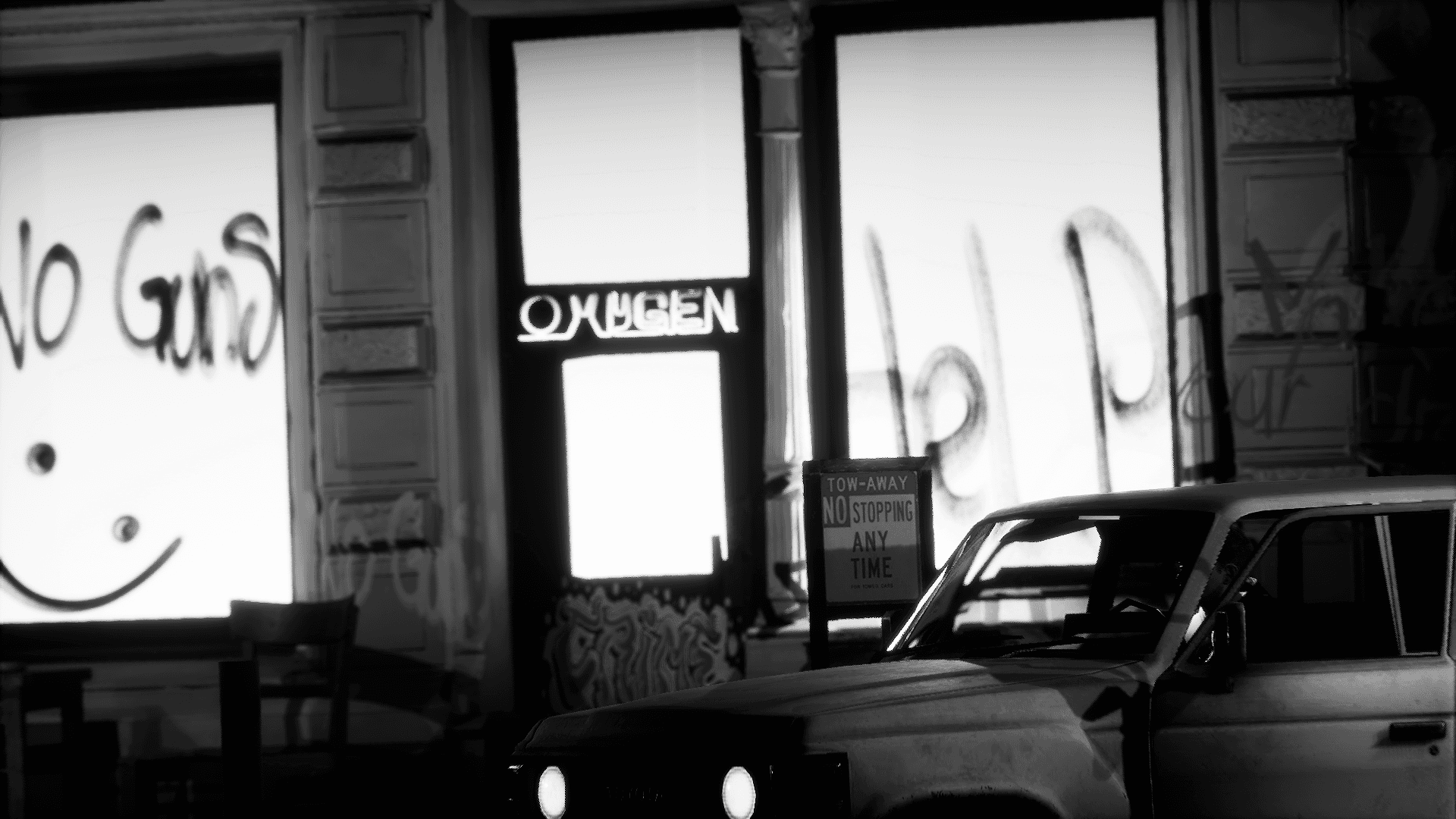
Each scene was built in Unreal Engine 5, combining modeling, environmental design, and technical execution. Assets were created in Blender or sourced from libraries, then integrated and refined within UE5. Lighting setups utilized Lumen's real-time global illumination to achieve naturalistic or stylized moods. Animated elements—camera paths, moving objects, particle effects, cloth simulation—were sequenced to create dynamic compositions. Material work focused on texture detail and surface response to light. The real-time workflow allowed for rapid iteration, testing different lighting scenarios, camera angles, and atmospheric effects until each scene felt complete.
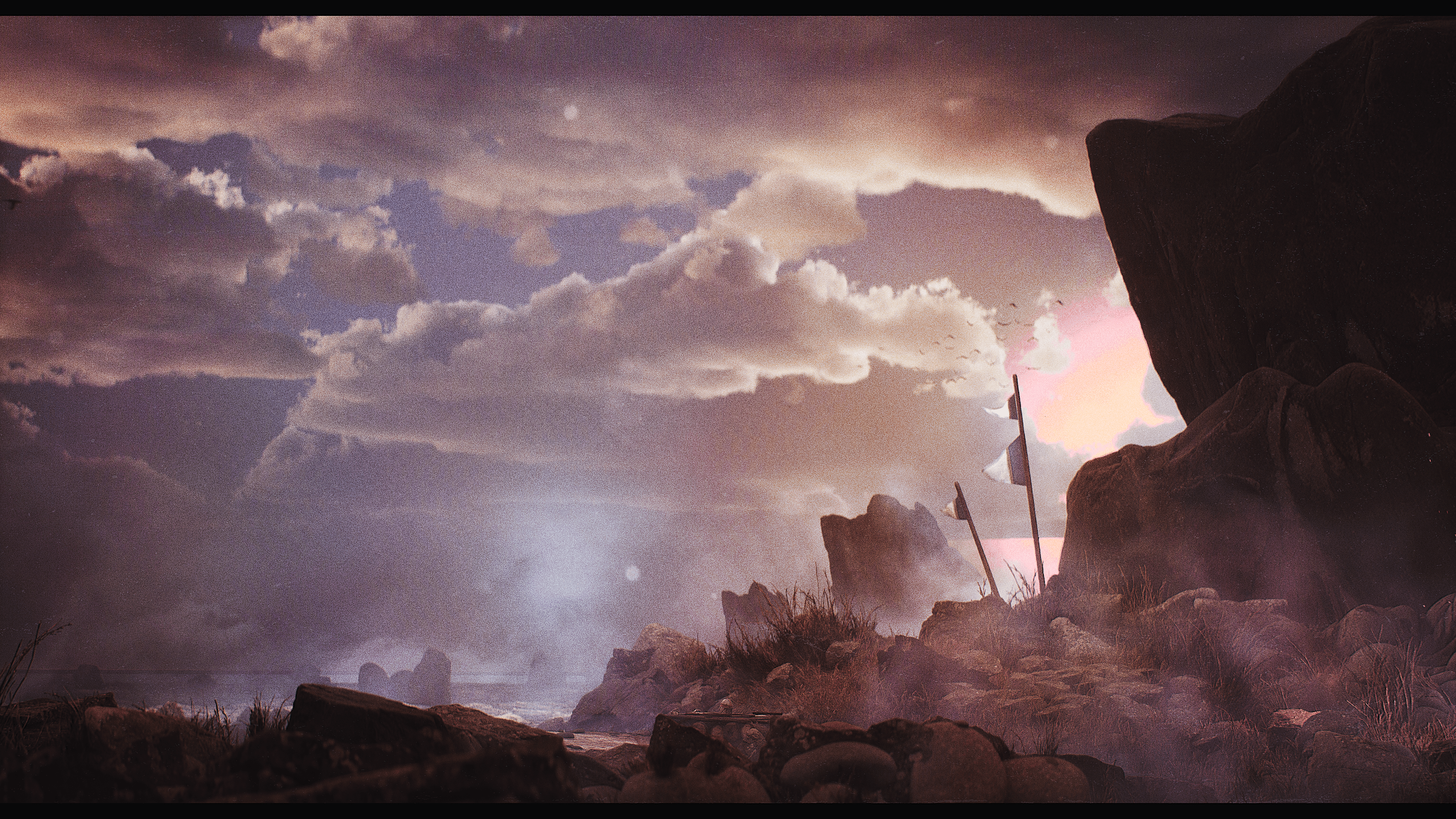
Animations were rendered and edited to emphasize the strongest moments within each scene. Pacing varied—some slow and meditative, others more kinetic—matched to the emotional intent of each piece. Color grading unified the collection's visual identity while allowing individual scenes to maintain distinct atmospheres. Sound design and music were integrated where appropriate to enhance immersion. The final collection functions as both a technical showcase of Unreal Engine 5's cinematic tools and an exploration of visual language—demonstrating how environment, light, and motion combine to create feeling without relying on explicit narrative.